


全市上下正在紧锣密鼓地开展筹备工作
众志成城
“办好APEC、当好东道主”
香港中文大学(深圳)公共政策学院院长
前海国际事务研究院院长郑永年
近期在谈及
深圳承办APEC会议的意义时表示
APEC会议在深圳举办
对深圳的城市发展将是无限的机遇
郑永年表示,在当今国际风云变幻之际,中国尤其需要持续推进开放政策。过去几十年,中国经济是在全球化的背景下快速成长发展起来的,特别是粤港澳大湾区和长江三角洲这两个区域更是如此,中国经济已经深深嵌入世界经济。没有人会认为中国处在封闭状态下能够实现中国式现代化,恰恰相反,我们需要更高水平的开放。
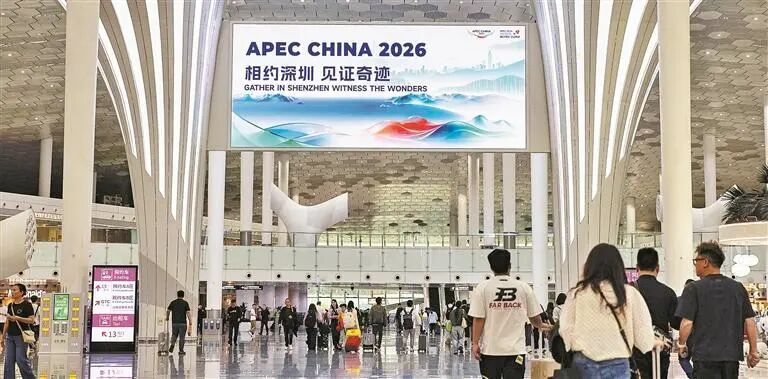
深圳机场内多块屏幕持续滚动展播喜迎APEC。 深圳特区报记者 毕晗 摄
“我是新深圳人,此次APEC会议在深圳举办,我非常高兴。”郑永年说,过去的40多年,亚太地区是经济发展最快,也是最稳定的一个区域,可以预见的是未来很长一段时间亚太地区会是世界的经济中心。我们以前提出的“黄金内湾”,香港、广州、深圳这三大中心城市结合起来的话,个人觉得已经是世界一流湾区了,而深圳连接着香港和广州,因此此次APEC会议落子深圳这是非常重要的原因之一。其次,这次APEC会议的主题是开放、创新、合作,而深圳就是开放的产物,通过改革与创新、开放与合作而快速发展成为一座现代化城市,APEC会议落子深圳恰好契合了会议主题。
“推进中国式现代化,就必须推进高水平开放,而APEC会议就是开放的产物,通过APEC会议将能有效赋能深圳乃至全国的高水平开放。”郑永年指出,这种高水平开放包括包容式的多边主义、规则规制管理标准的制度性开放和单边开放三个层次的内容。而在推进高水平开放中,深圳要从物的国际化,提升至人、制度和治理体系的国际化。
郑永年期待,以APEC会议为契机,让会议举行期间的高开放度持续落地,形成有效成果推动深圳开放水平跃上新台阶。
郑永年强调APEC会议与深圳要“双向赋能”,认为在APEC会议赋能深圳高水平开放的同时,深圳从一个小渔村发展成为世界大都市的现代化经验,对APEC其他发展中国家经济体也有着重要的借鉴意义,要把深圳的发展经济总结好,形成一个可复制可推广的模式,通过APEC平台持续讲好深圳故事,让其他发展中国家经济体不仅学到好的经验,更树立起未来发展的信心。
郑永年还认为,深圳的快速发展伴随着我们国家全球化发展的过程,没有全球化就很难理解深圳的崛起。因此在赋能APEC时,深圳还要继续推动全球化,一方面要继续开放市场,另一方面要高水平、高标准地走出去。
深圳如何做好APEC会议的筹备工作?郑永年认为,关键是要发挥专业主义精神,做好专业化、精细化,把国家宏观的开放政策转化为积极的行动。他同时也呼吁广大深圳市民积极参与会议筹备,不断提升自己的国际化素养,共同创造良好的会议环境。
“承办APEC会议不仅仅是组织者们的事情,也是2000多万深圳市民的事情,大家都应该以积极的态度参与进来。”郑永年说。
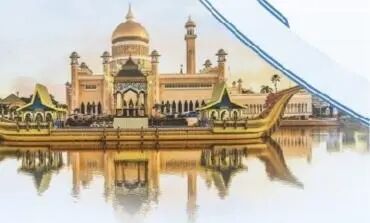
Hosting APEC unlocks new opportunities for Shenzhen Zheng Yongnian, dean of the School of Public Policy at The Chinese University of Hong Kong, Shenzhen, and president of the Institute for International Affairs, Qianhai ■ Yang Liping, Shenzhen Special Zone Daily Shenzhen is in a race against time to prepare for November’s APEC meeting, united behind a single mission: “Excellence in Hosting, Warmth in Welcome.” In a recent interview with Shenzhen Special Zone Daily, Prof. Zheng Yongnian, dean of the School of Public Policy at The Chinese University of Hong Kong, Shenzhen, and president of the Institute for International Affairs, Qianhai, hailed the event as a source of limitless opportunities for the city’s future. Zheng emphasized that amidst a volatile international landscape, China’s commitment to opening-up remains paramount. Reflecting on decades of growth driven by globalization — particularly in the Guangdong-Hong Kong-Macao Greater Bay Area and the Yangtze River Delta — Zheng noted that China’s economy is now inextricably linked with the global market. “Chinese modernization is impossible under a closed-door policy; it demands an even higher level of openness,” he stated. As a “new Shenzhener,” Zheng expressed pride in the city being chosen as the host of the APEC gathering. He pointed out that the Asia-Pacific has been the world’s most dynamic and stable economic region for four decades and is poised to remain the global economic center in the years to come. Zheng identified Shenzhen’s strategic role as the bridge between Hong Kong and Guangzhou as a key factor in its selection as the host. Moreover, the theme of this year’s APEC — openness, innovation, and cooperation — is the very DNA of Shenzhen. The city is a living testament to how reform and innovation can transform a small fishing village into a modern metropolis. “APEC will empower high-level opening-up across Shenzhen and China,” Zheng stressed. He defined this “high-level” approach through three pillars: inclusive multilateralism, institutional alignment of rules, regulations, management, and standards, and unilateral opening-up. He urged Shenzhen to evolve from the internationalization of goods to the internationalization of talent, institutions, and governance. Zheng envisions a symbiotic relationship between APEC and Shenzhen. While APEC accelerates Shenzhen’s internationalization, the city’s development model offers a blueprint for other emerging APEC economies. By sharing its success story, Shenzhen can provide both practical lessons and confidence to developing nations. To sustain this momentum, Zheng argued that Shenzhen must continue to drive globalization by further opening its markets while expanding its global footprint with high-standard, high-quality enterprises. When asked about preparations, Zheng emphasized the need for professionalism and meticulous execution, translating national macro-level opening-up policies into concrete local actions. He also issued a call to the city’s 20 million residents. “Hosting APEC is not just the responsibility of organizers; it is a collective endeavor,” Zheng said. He encouraged citizens to embrace the spirit of the event, enhance their international awareness, and foster a welcoming atmosphere. “Everyone should get involved with a positive attitude to show the world the best of Shenzhen.”(Translated by Li Jing) 2000年11月15日下午,亚太经合组织第八次领导人非正式会议在文莱首都斯里巴加湾市国际会议中心开幕。 会议讨论了经济全球化、“新经济”、多边贸易体制及人力资源开发等议题。会议通过《亚太经合组织经济领导人宣言:造福社会》和《新经济行动议程》,聚焦电子商务、无纸交易及人才培养,明确支持中国加入世界贸易组织。 文莱斯里巴加湾市,奥马尔阿里赛福鼎清真寺。 The Omar Ali Saifuddien Mosque stands as an iconic landmark in Bandar Seri Begawan, Brunei. 斯里巴加湾市是文莱首都,隶属文莱-摩拉区,位于文莱湾西南岸,面积100.36平方公里,人口约24万,经济以石油、天然气等为主。始建于中世纪,16世纪以手工业闻名。作为全国文化教育中心,保留世界上现存最大的水上村落群,被誉为“东方威尼斯”。 Eighth Stop: Bandar Seri Begawan, Brunei On November 15, 2000, the 8th APEC Economic Leaders’ Meeting convened in Bandar Seri Begawan, the capital of Brunei. Leaders focused their discussions on globalization, the new economy, the multilateral trading system, and human resources development. The summit adopted the APEC Economic Leaders’ Declaration: Delivering to the Community and the Action Agenda for the New Economy, which prioritized e-commerce, paperless trading, and talent cultivation. Notably, the meeting voiced support for China’s accession to the WTO. As the capital of Brunei, Bandar Seri Begawan is located in the Brunei-Muara District on the southwestern shore of Brunei Bay. Covering an area of 100.36 square kilometers and home to 240,000 people, the city has an economy anchored by the oil and gas industries. Founded in the Middle Ages, the city rose to fame in the 16th century for its exquisite handicrafts. Today, it boasts the world’s largest surviving stilt-house settlement, known as the “Water Village,” which has earned it the nickname “Venice of the East.” 是亚太经合组织为促进亚太地区贸易投资便利化推出的一项多边签证便利政策。申请人一次申办,五年有效,多次入境,每次至少可停留60天。各经济体普遍为持卡人提供通关便利。 APEC Business Travel Card The APEC Business Travel Card (ABTC) is a travel document issued to business travelers and entrepreneurs from APEC member economies, designed to facilitate seamless and efficient cross-border travel within the Asia-Pacific region. Valid for five years, the ABTC allows cardholders to enjoy expedited visa processing and access to dedicated immigration lanes at participating airports, significantly reducing travel time and administrative burdens. It also permits multiple entries, with each stay lasting at least 60 days.

来源:深圳商务